
Caldera Spa Replacement Cover Buying Guide: Fit, Foam, and Materials That Matter
Posted by HTSS Team on Aug 31st 2026
Caldera Spa Replacement Cover Buying Guide: Fit, Foam, and Materials That Matter
A worn or waterlogged spa cover is one of the most common, and most overlooked, reasons a well-maintained Caldera spa suddenly starts costing more to run. The heater has to fight harder to hold temperature, evaporation increases, and the whole system works overtime to compensate for a cover that no longer seals properly. Buying the right replacement does not need to be complicated once you understand what actually affects performance: exact fit, foam density, and the materials the cover is built from. This guide covers all three.
Why Exact Fit Comes First
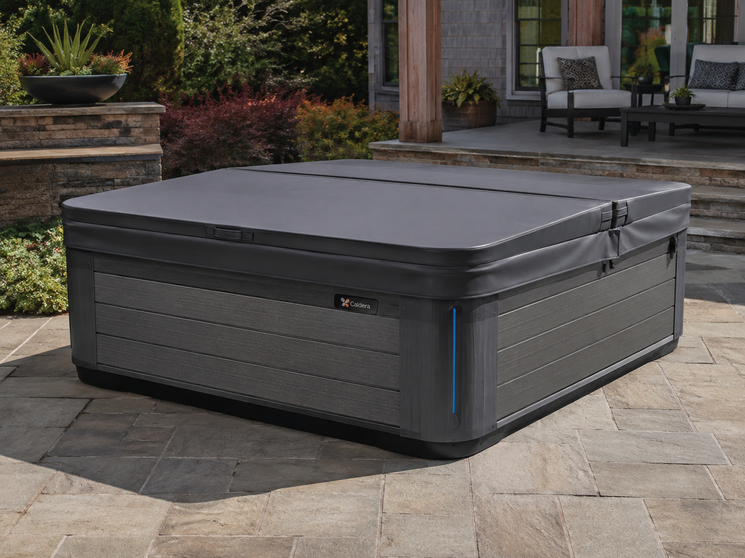
Caldera Spas manufactures covers made to order using exact dimensions for each specific model, and that precision is not a marketing detail. Even a small mismatch between your cover and your spa's actual shape and corner radius leaves gaps that let warm air escape. Those gaps compound over time, since a cover that never fully seals also lets more moisture in around the edges, which accelerates foam degradation from the inside. Confirming your exact Caldera model before ordering is the single highest-leverage decision in this whole process.
Measuring for a Replacement
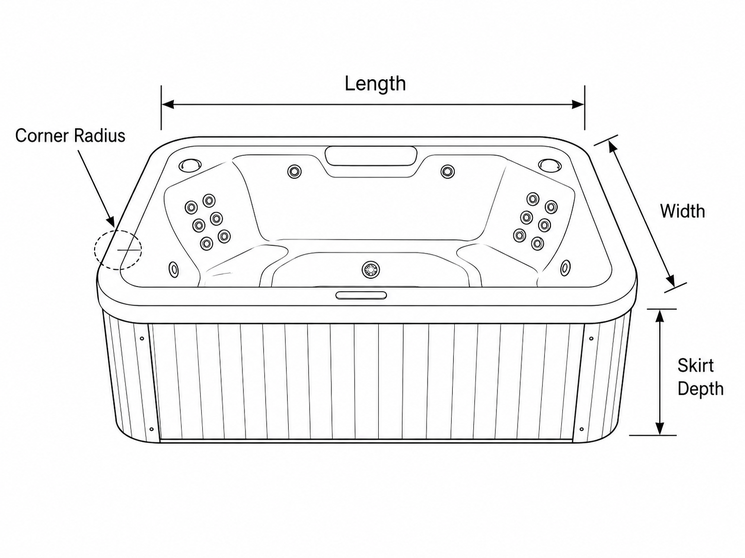
If your current cover is still close to its original shape, it is the most convenient reference for measuring. If it has visibly warped, sagged, or shrunk, measure the spa itself at the top of the cabinet instead. In either case, you will want the overall length and width, the shape of the corners (square, radius, or wedge), the skirt depth along the sides, and the center and edge foam heights, since covers taper from a thicker fold in the middle to thinner panels at the edges.
Foam Density and What It Actually Changes
Foam density is measured in pounds per cubic foot, and it is a better predictor of a cover's real-world performance than thickness alone. A common option for Caldera-compatible covers is 1.5 pound density foam, which offers a solid balance of insulation, weight, and lifespan for most climates. Higher-density foam resists water absorption and compression better over repeated seasons, which means it holds its insulating value longer than lower-density foam that can start absorbing moisture and losing performance within just a few years. If your Caldera spa sits somewhere with real winters or heavy snow load, it is worth confirming the specific density offered before ordering, rather than assuming all replacement covers use the same core.
Vinyl, Zippers, and Stitching
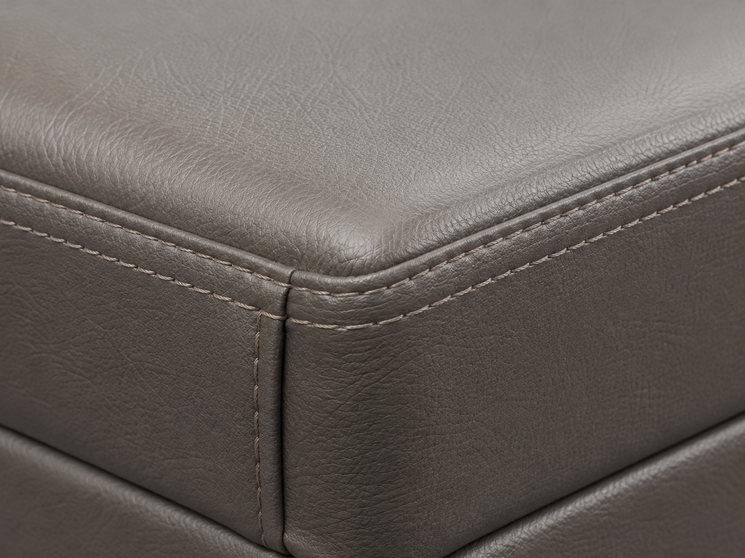
The exterior material matters as much as what is underneath it. Look for marine-grade vinyl in the 28 to 30 ounce range with built-in UV protectant, since standard vinyl breaks down and cracks noticeably faster under continuous sun exposure. Heavy-duty zippers (YKK-style hardware is a common benchmark for durability) hold up far longer than lighter-weight alternatives, particularly if your cover design includes a zippered skirt or access panel. Double-stitching at every seam is worth specifically confirming, since seams are where covers most often begin to fail, and reinforced stitching resists the constant flexing a cover goes through every time it is opened and closed.
The Moisture Barrier You Cannot See
A well-built cover wraps its foam core in a plastic moisture barrier, often heat-sealed, before the vinyl exterior goes on. This barrier is what actually keeps water from soaking into the foam even if the outer vinyl develops a small nick or wear spot. A cover without a proper vapor barrier can start absorbing moisture from something as minor as condensation, long before any visible damage appears on the surface. This is one of the harder specs to verify from a product listing alone, so it is worth asking directly if it is not clearly stated.
Energy Savings From a Proper Replacement
A degraded cover that no longer seals well can meaningfully increase what it costs to keep a spa at temperature, since the water surface is where the majority of heat loss happens on any spa with a compromised cover. Replacing a failing cover with a properly fitted, adequately insulated one is one of the more directly cost-effective upgrades a Caldera owner can make, often paying for a meaningful share of its own cost back in reduced heating costs over a normal usage season.
Cover Lifters and Everyday Handling
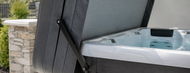
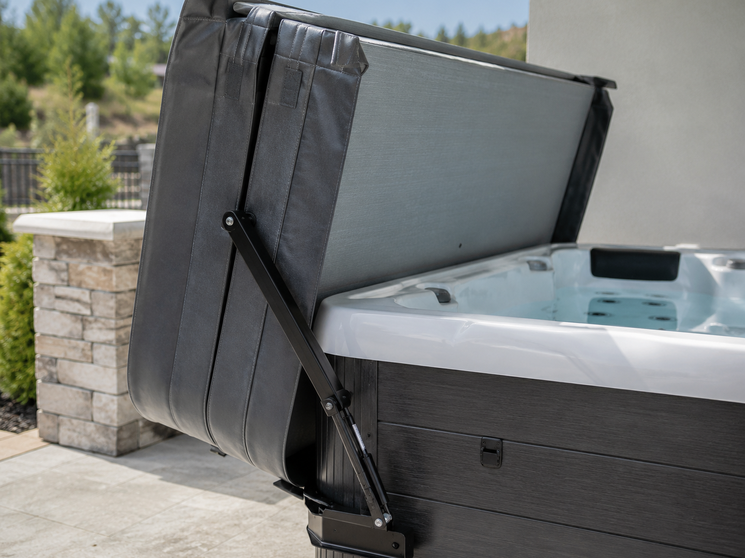
A cover lifter is a separate accessory from the cover itself, but it directly affects how long a new cover lasts. Lifting and setting a heavy foam cover down improperly, dragging it against a rough deck surface, or leaning it against a fence corner all put unnecessary stress on seams and vinyl over time. A properly mounted lifter supports the cover evenly while it is open and makes it easier for one person to manage without straining the material. If you are replacing a cover that failed early, it is worth considering whether handling, not just material quality, played a role, and pairing the new cover with a lifter if you are not already using one.
Locking Straps and Hardware
Every replacement cover should come with reinforced tie-down straps and locking buckles as standard equipment, not an upgrade. Beyond securing the cover against wind, locking hardware is a genuine safety feature that helps prevent unsupervised entry into the spa. Confirm the strap material and buckle hardware are rated for continuous outdoor exposure, since these small components see constant moisture and UV exposure and are a common early failure point on lower-quality covers.
Warranty Coverage to Look For
Most quality replacement covers carry a multi-year warranty, and the specifics of what that warranty actually covers matter more than the number of years alone. Coverage against water absorption specifically is the most valuable clause to look for, since that is the failure mode that ends a cover's useful life fastest. A warranty that only covers manufacturing defects, without addressing water absorption, leaves you exposed to the most common real-world failure.
Signs Your Current Cover Needs Replacing, Not Just Patching
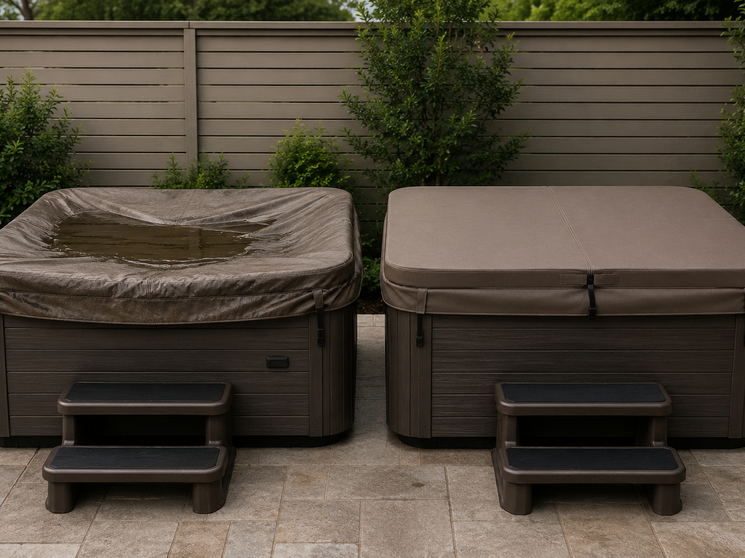
A small tear, a failed zipper pull, or minor fading are all reasonable candidates for a repair rather than a full replacement. But once a cover feels noticeably heavier than it did when new, sags in the middle when lifted, or has visible mold or a persistent musty smell, that typically means the foam core itself has absorbed water. At that point, repair is rarely cost-effective, and a full replacement is the better investment.
Ordering Timeline
Because replacement covers are built to order for a specific model, expect real production and shipping time rather than same-week delivery. Ordering as soon as you notice meaningful degradation, rather than waiting for a complete failure, avoids running your Caldera spa uncovered (or under a failing cover) for the weeks it takes for a new one to arrive.
Frequently Asked Questions
How do I find my exact Caldera model before ordering a cover?
Check the equipment compartment or spa cabinet for a manufacturer's data plate listing the model name and series. If it is missing or worn, your original purchase paperwork or a Caldera dealer can typically confirm it from the serial number.
Is higher foam density always worth the extra cost?
Not necessarily. In mild climates, a mid-range density offers a reasonable balance of weight and insulation. In colder climates with real winters, the extra insulation and longer service life from higher density foam is usually worth it.
What is the biggest mistake owners make when ordering a replacement cover?
Guessing at dimensions instead of measuring carefully, or ordering based on a generic size rather than their exact model and corner shape. Both lead to a cover that never quite seals correctly.
How can I tell if a cover has a proper moisture barrier without seeing the inside?
Ask the seller directly. It is not usually visible from photos or a basic product description, and reputable cover makers will confirm it clearly when asked.
Should I repair a small tear myself or replace the whole cover?
A small vinyl tear can often be patched with a repair kit if the foam underneath is still dry and in good condition. If you notice added weight, sagging, or a musty smell, that points to water in the foam core, and replacement is the better choice at that point.
Does a cover lifter really extend a cover's lifespan?
It can meaningfully help. Proper support while the cover is open reduces stress on seams and vinyl compared to setting it down loosely or leaning it against a hard edge repeatedly.
Getting a Caldera spa cover replacement right comes down to three things done well: an exact model match, foam density suited to your climate, and genuine quality construction underneath the vinyl. Get those right, pair the new cover with proper handling and a lifter, and it should protect your spa's efficiency for years before you need to think about this decision again.